

Phase 1: Maturity and popularization of technology (mid-20th century present)
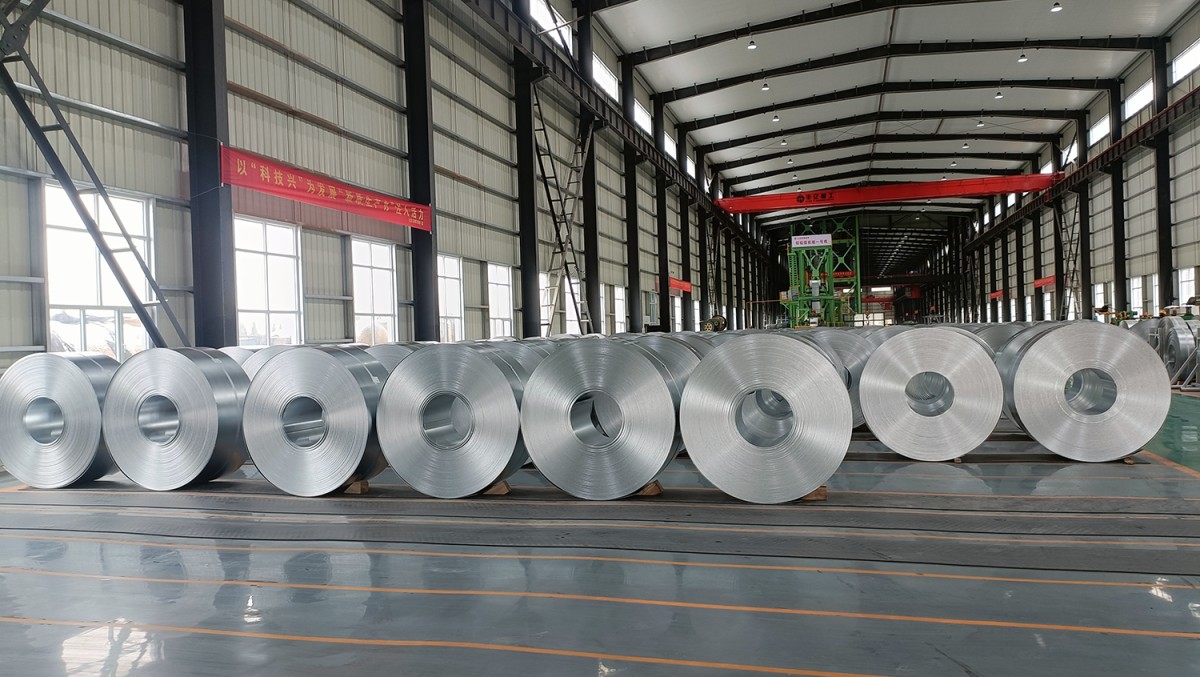
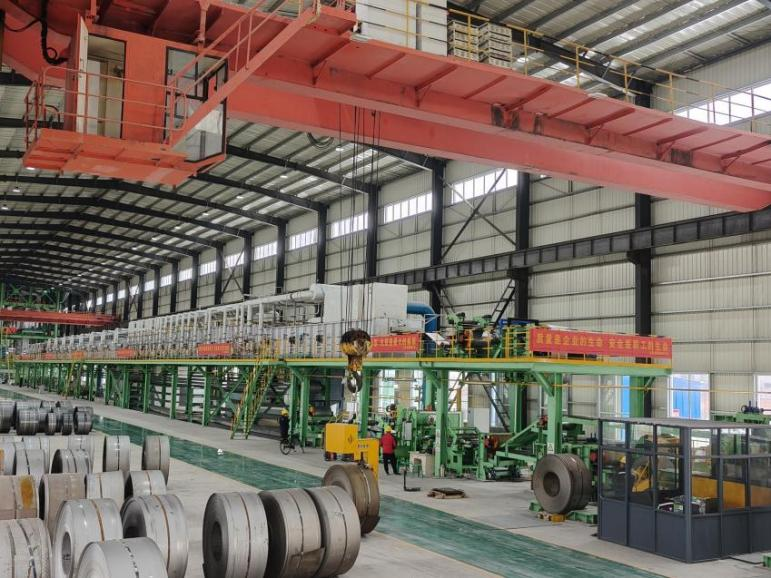
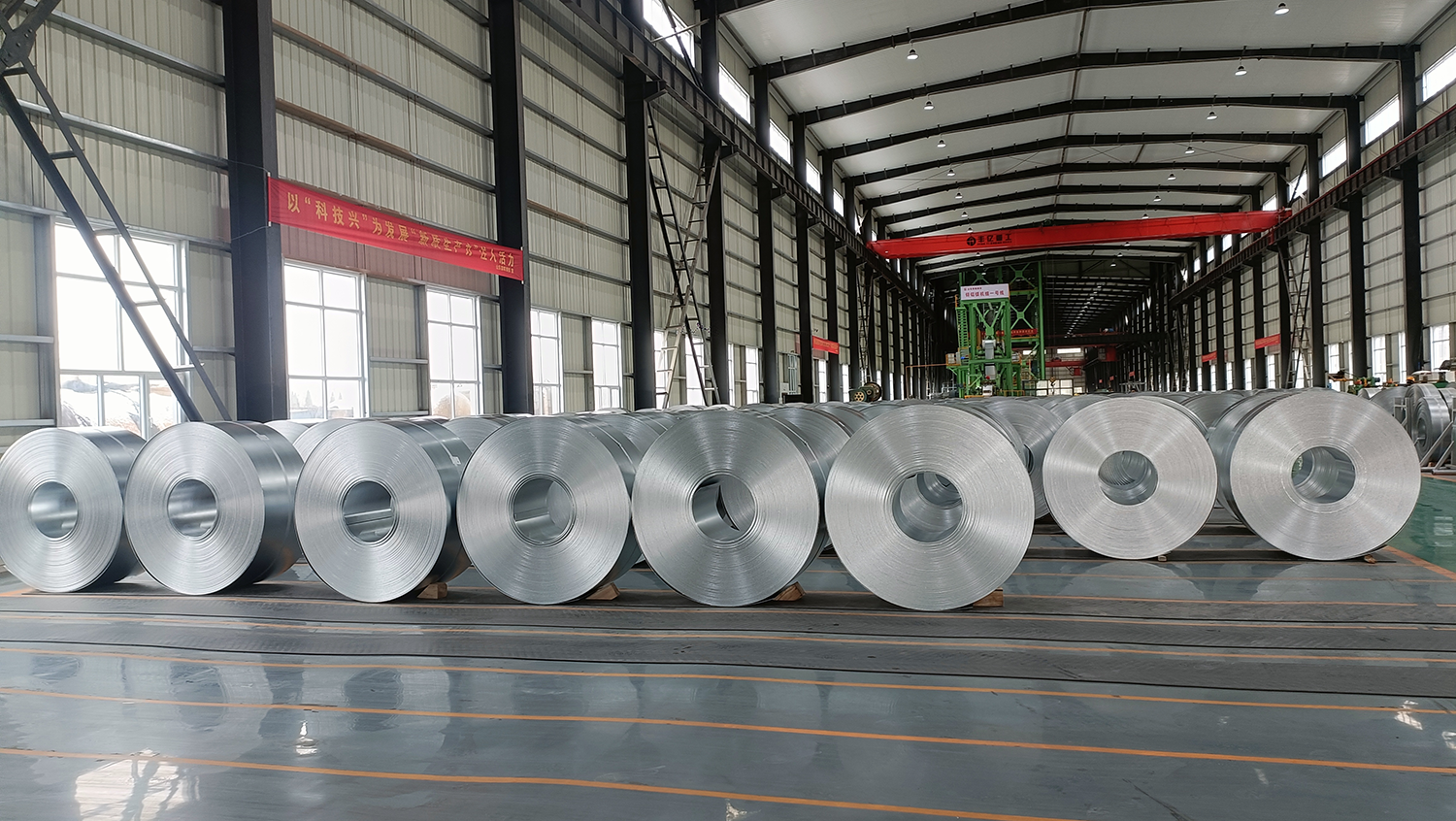
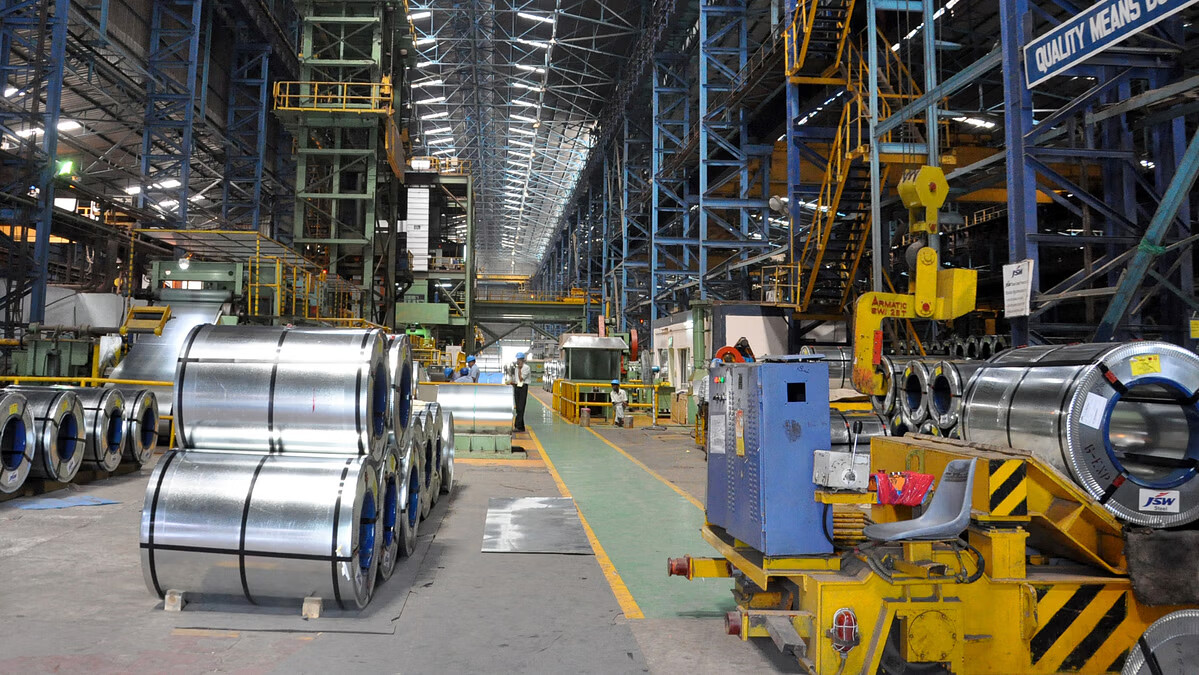
Hot dip galvanizing (HDGI): the dominant process. From the early flux method to the modern Sengemir method, continuous, high-speed, and high-quality production has been achieved. At present, lead-free hot-dip galvanizing and alloying galvanizing have become standard equipment for high-end products.
Electrogalvanizing (EGI): The surface is more uniform and smooth, suitable for products with high surface requirements and subsequent coating needs (such as automotive exterior panels and home appliance panels).
Phase 2: Performance Upgrade and High Intensity (Since the 21st Century)
With the lightweighting of automobiles and the improvement of building safety standards, the demand for steel strength has surged.
Development focus: Developing galvanizing technology for "high-strength steel substrates" while ensuring good coating adhesion and formability. The pressure has generally increased from 340MPa to 780MPa, 980MPa, and even 1500MPa.
Key technologies: Advanced High Strength Steel (AHSS) and Galvanizing Technology for Hot Formed Steel.
Phase 3: Environmental Protection and Sustainable Development (Current Core Trends)
Chromium free passivation: replaces traditional chromate passivation with environmentally friendly chromium free passivation solutions (such as silane, zirconium, molybdate, etc.), meeting environmental regulations such as RoHS and REACH.
Coating thinning and precise control: Through precise control of technologies such as air knife control and induction heating, while achieving the same anti-corrosion performance, the amount of zinc used is reduced, costs are lowered, and green manufacturing is achieved.
Zinc aluminum magnesium coating (ZAM): the current hottest topic. Adding elements such as aluminum and magnesium to zinc solution, its corrosion resistance (especially edge protection) is 5-20 times that of ordinary galvanizing, and it is rapidly replacing some traditional galvanizing markets, known as the "revolutionary coating".
Phase 4: Intelligence and Customization (Future Direction)
Intelligent Manufacturing: Utilizing big data, AI, and machine vision to monitor coating thickness and surface defects in real-time online, achieving automatic process optimization and predictive maintenance of product quality.
Product customization: Provide customized combination solutions of "substrate coating post-treatment" based on the specific usage environment (coastal, industrial areas, etc.) and processing technology (bending, welding requirements) of downstream customers (such as automobile factories, photovoltaic bracket factories, home appliance factories).
Related recommendations
 Channel steel & C-shaped steel2025.12.19
 The world of steel coils holds endless mysteries | Exploring the mysterious world of galvanized steel sheets2025.12.19
 Why is Z-shaped steel purlin preferred for roofs?2025.12.19
 The main development stages and technological evolution of galvanized strip steel2025.12.19
 Current challenges and future prospects of galvanized products2025.12.19
 The "Breakthrough" and "Establishment" of Z-shaped Steel Application Layout - Deepening and Expanding Parallel2025.12.19
 Deep exploration of the value of Z-shaped steel and continuous breakthroughs in its application boundaries2025.12.19
 Consolidation and innovation of the main application areas of C-shaped steel2025.12.19
Leave Us A Message
Search Starts Here




Leave A Message
If you are interested in our products and want to know more details,please leave a message here,we will reply you as soon as we can.