

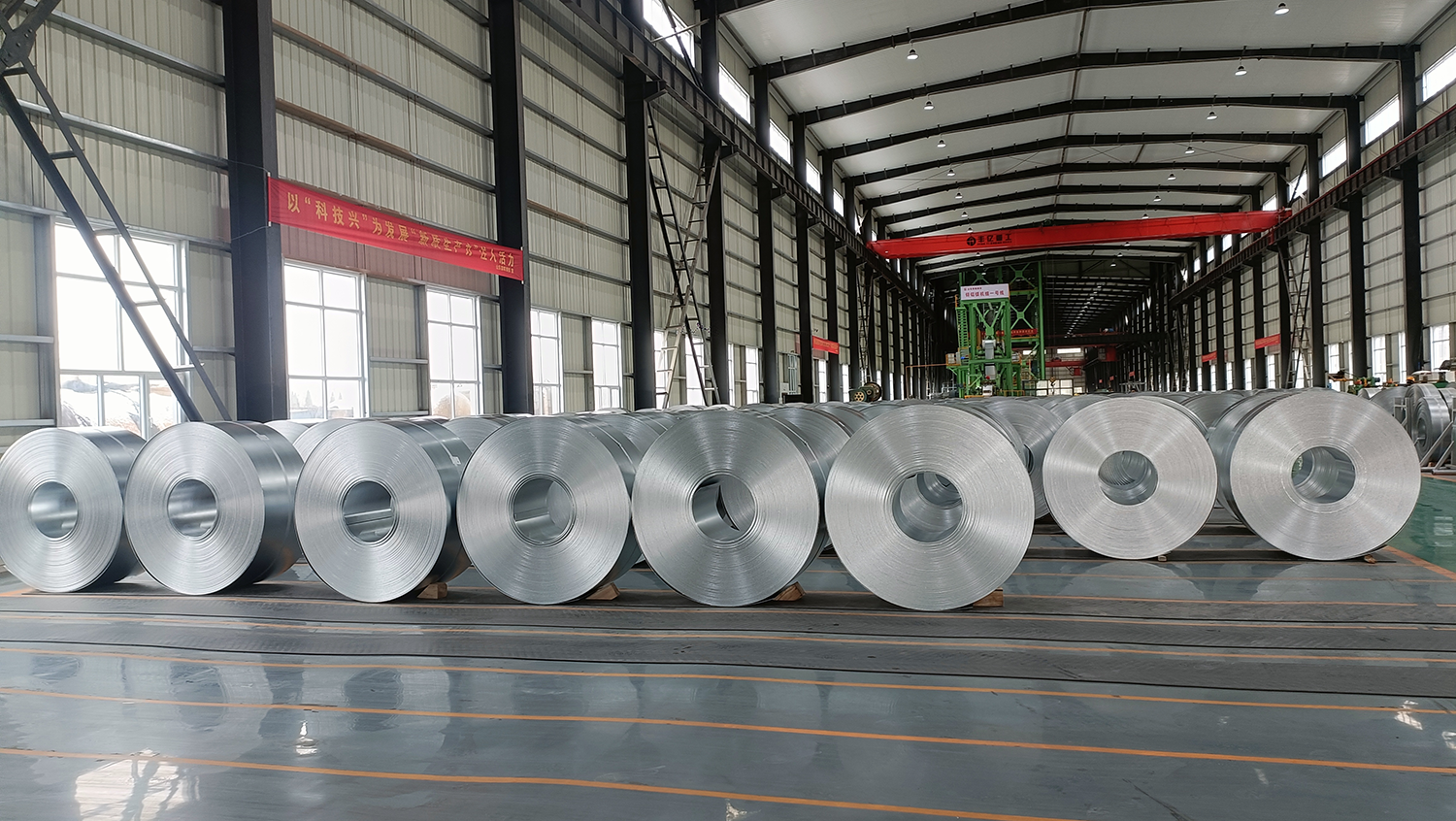
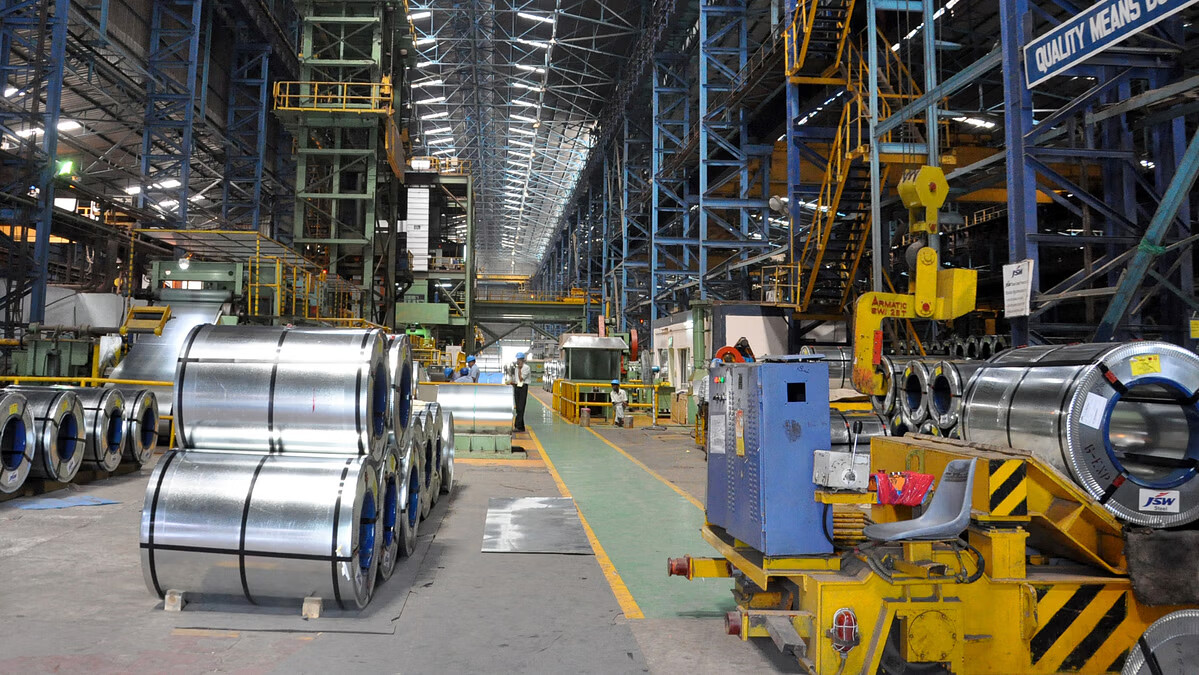
In recent years, galvanized steel sheets have become highly representative metal materials in modern architecture and home appliances due to their excellent protective efficacy and long service life. Let's explore the mystery behind this.
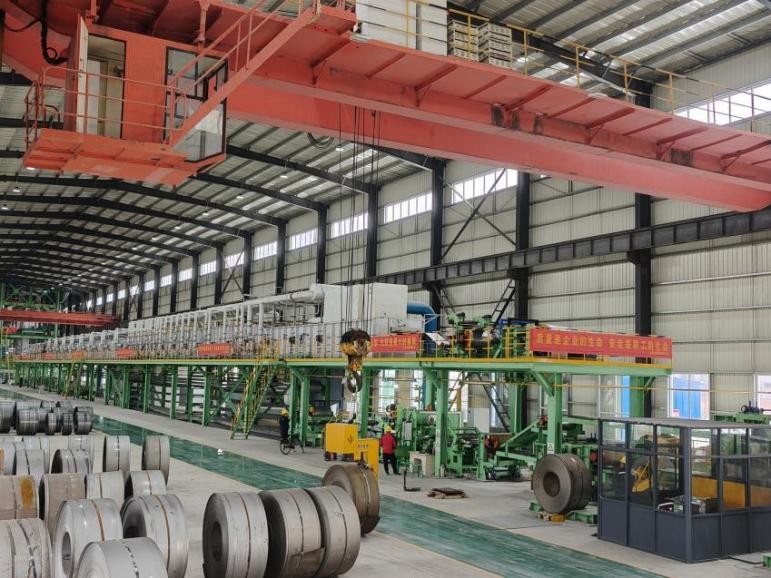
When it comes to galvanized steel sheets on the market, it generally refers to steel sheets coated with 55% aluminum and zinc. The main components of its coating are 55% aluminum, 1.6% silicon, and zinc. It is produced through a continuous hot-dip coating process, creating a unique alloy structure on the steel sheet, namely a ternary crystal of aluminum-silicon-zinc, which acts as a barrier to effectively prevent corrosion factors from penetrating, thus protecting the steel sheet.
The metal components zinc, aluminum, and silicon in the continuous hot-dip coating process prevent the corrosion of steel plates through the following principles.
Zinc: When the plating layer is corroded by external factors, zinc will corrode instead of iron, thereby protecting the internal steel substrate from erosion. This mechanism is known as "sacrificial anode protection".
Aluminium: While zinc exerts its sacrificial protective effect, aluminium rapidly forms a dense oxide layer, thereby exerting an excellent barrier protective effect.
Silicon: The addition of silicon is primarily aimed at inhibiting the reaction between aluminum and iron, reducing the thickness of the compound layer between the coating and the steel substrate, and enhancing the processing performance.
The composition of the coating is a crucial factor determining the corrosion resistance and durability of the product, and appropriate coating products should be selected based on the usage requirements
Related recommendations
 Channel steel & C-shaped steel2025.12.19
 The world of steel coils holds endless mysteries | Exploring the mysterious world of galvanized steel sheets2025.12.19
 Why is Z-shaped steel purlin preferred for roofs?2025.12.19
 The main development stages and technological evolution of galvanized strip steel2025.12.19
 Current challenges and future prospects of galvanized products2025.12.19
 The "Breakthrough" and "Establishment" of Z-shaped Steel Application Layout - Deepening and Expanding Parallel2025.12.19
 Deep exploration of the value of Z-shaped steel and continuous breakthroughs in its application boundaries2025.12.19
 Consolidation and innovation of the main application areas of C-shaped steel2025.12.19
Leave Us A Message
Search Starts Here




Leave A Message
If you are interested in our products and want to know more details,please leave a message here,we will reply you as soon as we can.