

NEWS
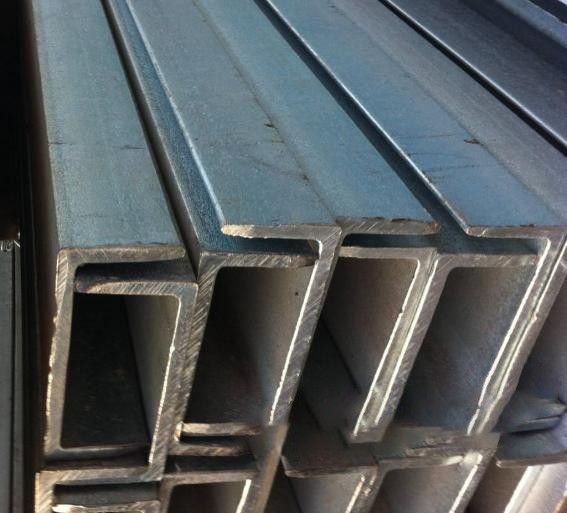
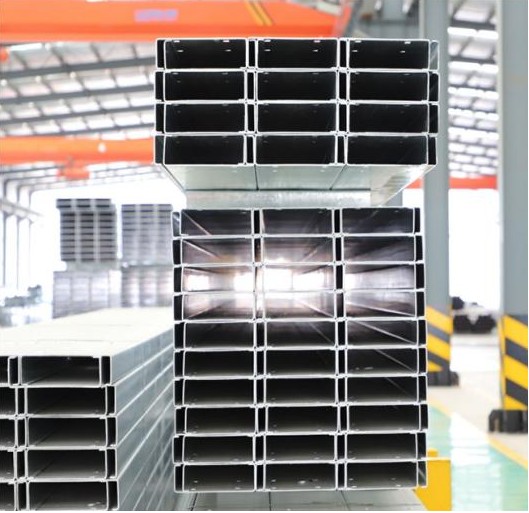
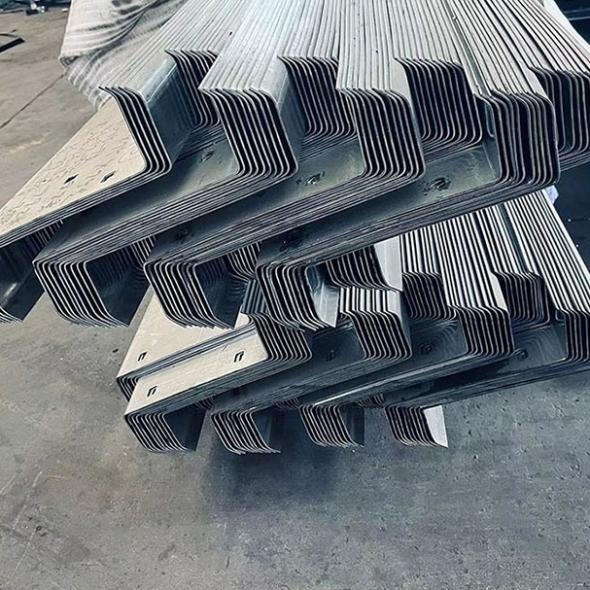
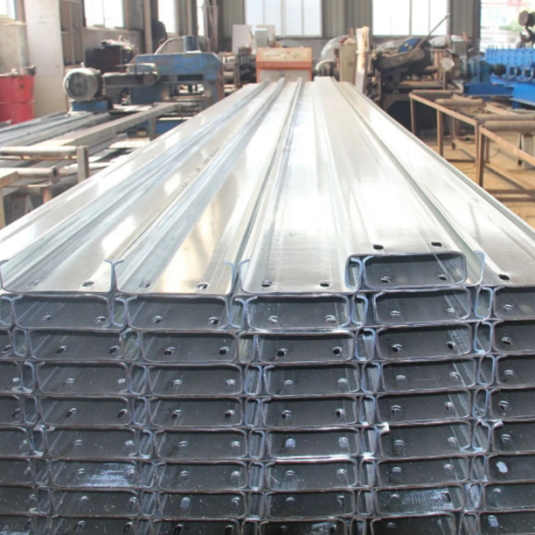
Appearance difference (difference in cross-sectional shape): Channel steel is produced through hot rolling and directly shipped as finished products by steel mills. Its cross-section is "U"-shaped, with parallel flanges on both sides and a web extending up and down in the middle. C-shaped steel is made from hot-rolled coils through cold bending, featuring thin walls, light self-weight, excellent sectional performance, and high strength. In simple terms, the appearance is as follows: straight-edged is channel steel, and curly-edged is C-shaped steel
Classification differences: Channel steel is generally divided into ordinary channel steel and light channel steel. C-shaped steel can be divided into galvanized C-shaped steel, unequal-leg C-shaped steel, stainless steel C-shaped steel, and hot-dip galvanized cable tray C-shaped steel. Different expression methods: The expression method of C-shaped steel is as follows: C250*75*20*2.5, where 250 represents the height, 75 represents the width, 20 represents the width of the rolled edge, and 2.5 represents the thickness of the steel plate. The specifications of channel steel are often directly expressed by the label, such as "8#" channel steel (80*43*5.0, where 80 represents the height, 43 represents the leg length, and 5.0 represents the thickness of the waist). The numbers here represent specific size standards, facilitating communication and understanding within the industry.
Different Uses: C-shaped steel has a particularly wide range of applications, primarily serving as purlins and wall beams in steel structure buildings, and can also be assembled into lightweight roof trusses, brackets, and other architectural components. On the other hand, channel steel is primarily used in building structures, vehicle manufacturing, and other industrial structures, and is often used in conjunction with I-beams. Although both can be utilized in the construction industry, their uses differ.
Related recommendations
 Channel steel & C-shaped steel2025.12.19
 The world of steel coils holds endless mysteries | Exploring the mysterious world of galvanized steel sheets2025.12.19
 Why is Z-shaped steel purlin preferred for roofs?2025.12.19
 The main development stages and technological evolution of galvanized strip steel2025.12.19
 Current challenges and future prospects of galvanized products2025.12.19
 The "Breakthrough" and "Establishment" of Z-shaped Steel Application Layout - Deepening and Expanding Parallel2025.12.19
 Deep exploration of the value of Z-shaped steel and continuous breakthroughs in its application boundaries2025.12.19
 Consolidation and innovation of the main application areas of C-shaped steel2025.12.19
Leave Us A Message
Search Starts Here




Leave A Message
If you are interested in our products and want to know more details,please leave a message here,we will reply you as soon as we can.